Government Yojana for Students – Eligibility and Benefits

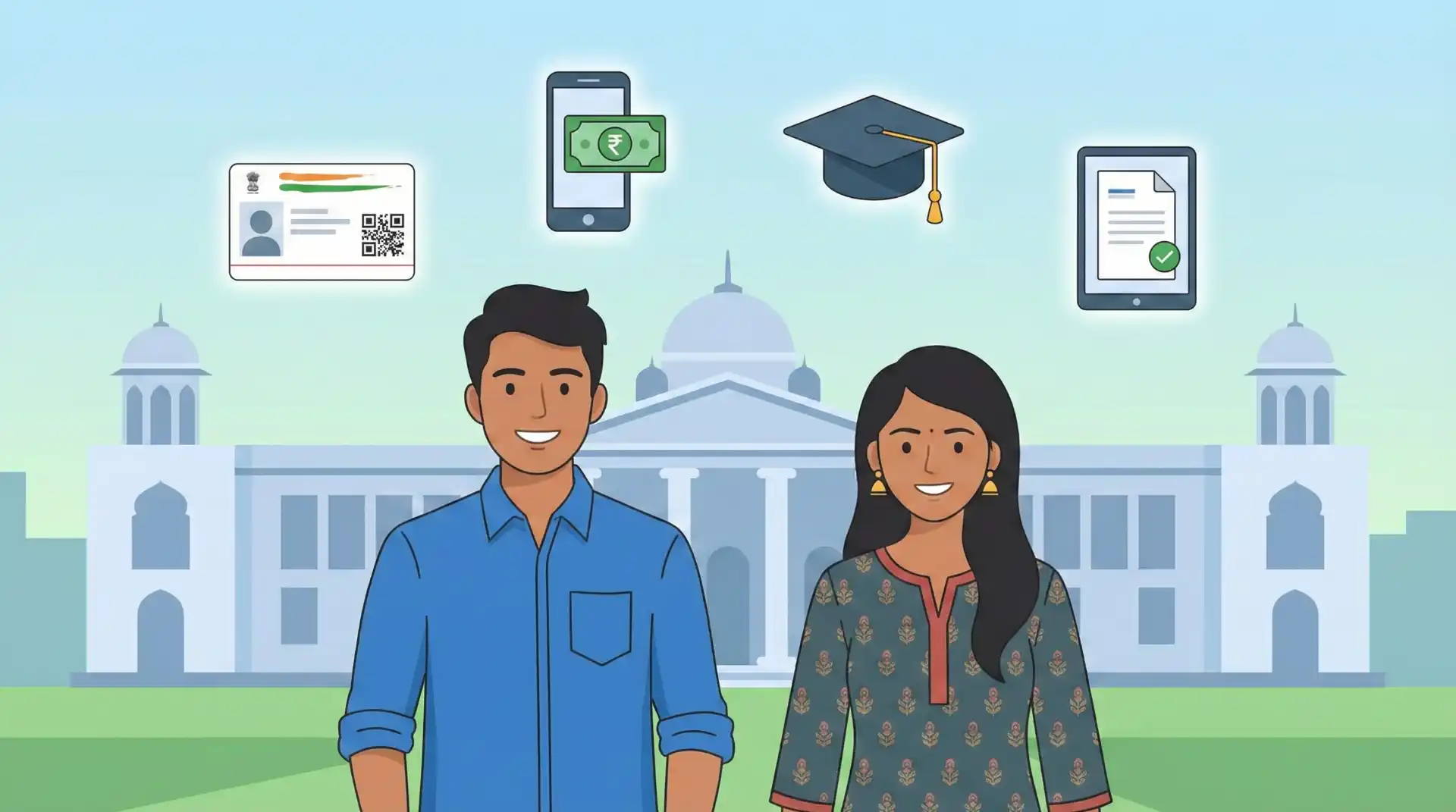
Access to quality education in India is often limited not by talent, but by money, location, and awareness. Millions of capable students drop out every year because they cannot afford fees, coaching, or basic study expenses. The good news is that the Government of India and state governments run multiple student welfare schemes—popularly called Government Yojana for Students—to remove these barriers. These schemes provide scholarships, stipends, fee waivers, digital tools, and career support so that financial background does not decide a student’s future. This guide explains the most important schemes, who is eligible, what benefits they offer, and how students can actually use them in real life.
Why These Schemes Matter
Government student schemes are not charity; they are investments in human capital. They reduce dropout rates, improve employability, and help rural and economically weaker students compete with urban peers. Many of these programs are linked to the National Scholarship Portal (NSP), Aadhaar-based verification, and direct benefit transfer (DBT), which makes the process faster and more transparent than before.
Major Government Yojana for Students
1) National Scholarship Portal (NSP) – Umbrella for Most Scholarships
The National Scholarship Portal (scholarships.gov.in) is the single largest platform for central and state scholarships. It hosts pre-matric, post-matric, merit-based, minority, SC/ST/OBC, and professional course scholarships in one place.
Who is eligible?
- Students from Class 1 to PhD (varies by scheme)
- Annual family income limits typically range from ₹1–8 lakh depending on category
- Aadhaar-linked bank account required
Key benefits
- Tuition fee coverage (partial or full)
- Maintenance allowance for hostels/books
- Special schemes for minorities, girls, and disabled students
How students can use it smartly
Create a clear digital record of your documents (Aadhaar, income certificate, caste certificate, marksheets). You can also generate quick document QR codes using a reliable QR code generator so colleges can verify your certificates instantly.
2) PM YASASVI Scholarship (for OBC, EBC & DNT Students)
This scheme supports students from Other Backward Classes (OBC), Economically Backward Classes (EBC), and De-Notified Tribes (DNT).
Eligibility
- Studying in Class 9 or 11 in recognized schools
- Family income generally below ₹2.5 lakh per year
- Must clear a selection test (YET exam)
Benefits
- ₹75,000 for Class 9 students
- ₹1,25,000 for Class 11 students
- Direct transfer to student’s bank account
3) National Means-cum-Merit Scholarship (NMMS)
Designed to prevent dropouts after Class 8, especially in government schools.
Eligibility
- Minimum 55% marks in Class 7 (50% for SC/ST)
- Family income usually below ₹3.5 lakh per year
Benefits
- ₹12,000 per year from Class 9 to 12
- Encourages long-term retention in school
4) Pragati & Saksham Scholarship (AICTE)
These are targeted toward technical and diploma education.
Pragati (for Girls)
- Girls enrolled in AICTE-approved diploma/degree programs
- Maximum two girls per family
Saksham (for Differently-Abled Students)
- Disability of at least 40%
- Enrolled in technical courses
Benefits (both schemes)
- Tuition fee up to ₹30,000 per year
- Monthly allowance for books/equipment
- Incidental expenses covered
If you run a small educational website or NGO helping such students, a quick site audit can help you ensure your scholarship pages load fast and are trustworthy for applicants.
5) PM Scholarship Scheme for CAPF & Armed Forces Wards
For children of Central Armed Police Forces (CAPF) and ex-servicemen.
Eligibility
- Must have secured at least 60% in Class 12
- Admission to professional courses like engineering, medical, or management
Benefits
- ₹2,000–₹3,000 per month (varies for boys/girls)
- Paid for the duration of the course
6) Dr. Ambedkar Post-Matric Scholarship (SC/ST)
One of the most important schemes for higher education.
Eligibility
- SC/ST students in recognized colleges
- Family income limits apply (varies by state)
Benefits
- Full or partial tuition fee
- Hostel/maintenance allowance
- Book grants
7) PM Research Fellowship (PMRF)
For top science and engineering students pursuing PhD.
Eligibility
- Admission in IITs, IISc, or selected institutes
- Strong academic record
Benefits
- ₹70,000 per month fellowship
- ₹2 lakh annual research grant
- Five years of financial security
Step-by-Step: How to Apply Without Mistakes
Step 1 – Check eligibility first
Do not apply blindly. Match your category, income, and course with the scheme rules.
Step 2 – Prepare documents
Keep these ready:
- Aadhaar
- Bank passbook
- Income certificate
- Caste certificate (if applicable)
- Mark sheets
- College admission letter
Step 3 – Apply via official portals
Most central schemes go through NSP. State schemes usually have separate portals.
Step 4 – Track your application
Use portal tracking or SMS updates. If you run a school or NGO helping students, a simple uptime monitor can alert you if your guidance website goes down during peak application days.
Step 5 – Avoid common errors
- Mismatch between Aadhaar and bank name
- Wrong IFSC code
- Incomplete college verification
- Late submission
How Digital Tools Help Students Access Yojana
Government schemes are increasingly digital. Students and institutions can use simple tools to reduce friction:
- Create shareable QR codes for documents and admission letters so officers can verify quickly.
- Track application pages with basic web analytics to see if students are getting stuck.
- Check website reliability using an uptime monitor if you manage a scholarship help portal.
These small steps reduce confusion, speed up verification, and build trust.
Frequently Asked Questions (FAQs)
1) Can one student get two government scholarships?
Generally no—you must choose one central scholarship, though you may combine a central and a state benefit in some cases.
2) Is Aadhaar mandatory?
For most central schemes, yes, because payments are made via DBT to Aadhaar-linked accounts.
3) What if my income certificate expires?
You must upload a fresh certificate; otherwise your application may be rejected.
4) Are private college students eligible?
Yes, if the college is recognized by UGC/AICTE/state authorities and the course is approved.
5) What should I do if my application is rejected?
Check the rejection reason, correct documents, and reapply within the portal timeline.
Conclusion
Government Yojana for Students is not just financial aid—it is a bridge to opportunity. Whether you are a school student, diploma learner, engineering aspirant, or PhD scholar, there is likely a scheme designed for you. The key is awareness, accurate documentation, and timely application. If you stay organized and use digital tools wisely, these schemes can genuinely change your educational journey. If you want, I can also help you shortlist the best schemes based on your class, category, and income.